In the stillness before the first brushstroke, she listens—to dreams, to water, to the quiet codes of the unseen. For the Minneapolis-based artist, painting is not a process, but a communion.
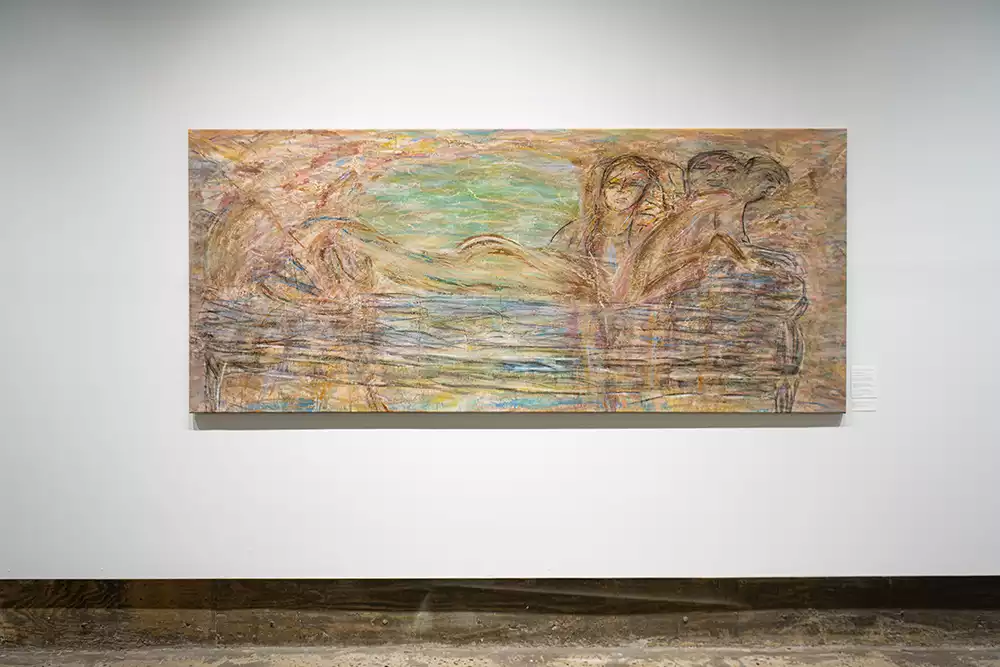
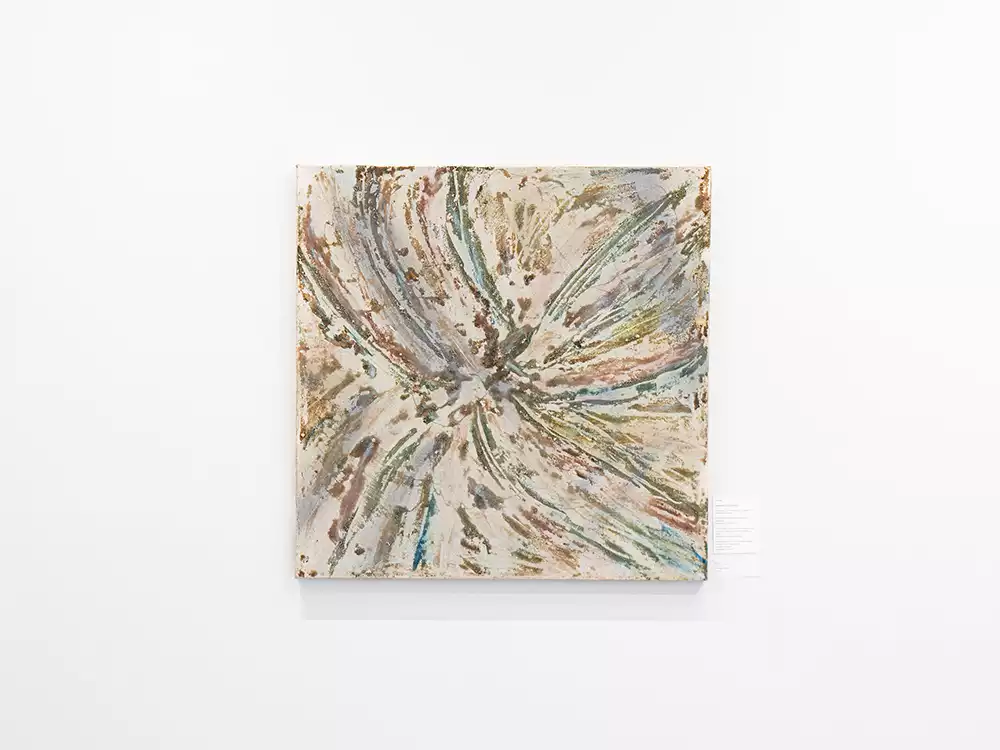
For Minneapolis-based artist Kasia Muzyka, creation begins in stillness—long before pigment touches canvas. Her practice is an act of deep listening, attuning to sensations, dreams, and quiet frequencies that arrive from somewhere beyond the visible. Working with rare and unconventional materials—coffee, wine, minerals, earth—she composes works where matter and meaning are inseparable. Each pigment carries memory: of soil, of place, of time. Interlaced with sacred geometry, encoded numbers, and elemental presence, her paintings are not merely images, but living vessels of vibration. In this conversation, she shares the rituals, symbols, and seasonal rhythms that guide her hand.
The process begins before I ever enter the studio. Can you describe that beginning?
I listen. It often starts as a whisper within—a sensation, an image, a dream—something asking to be seen, to be recognized. I can feel it forming inside me long before my hands reach the canvas. By the time I arrive, I’m already in a relationship with it. I close my eyes, I listen. Sometimes I place my hands on the surface and wait until I can sense the frequency that’s been stirring in the unseen. I don’t begin by directing—I begin by responding.
Do you prepare your own pigments or alter traditional formulas in any way?
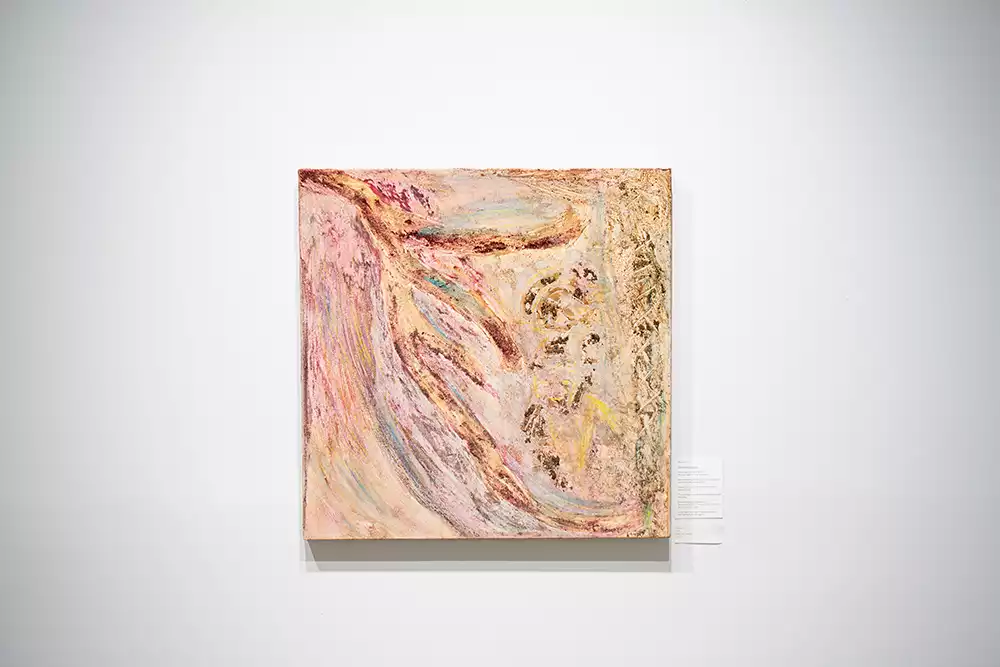
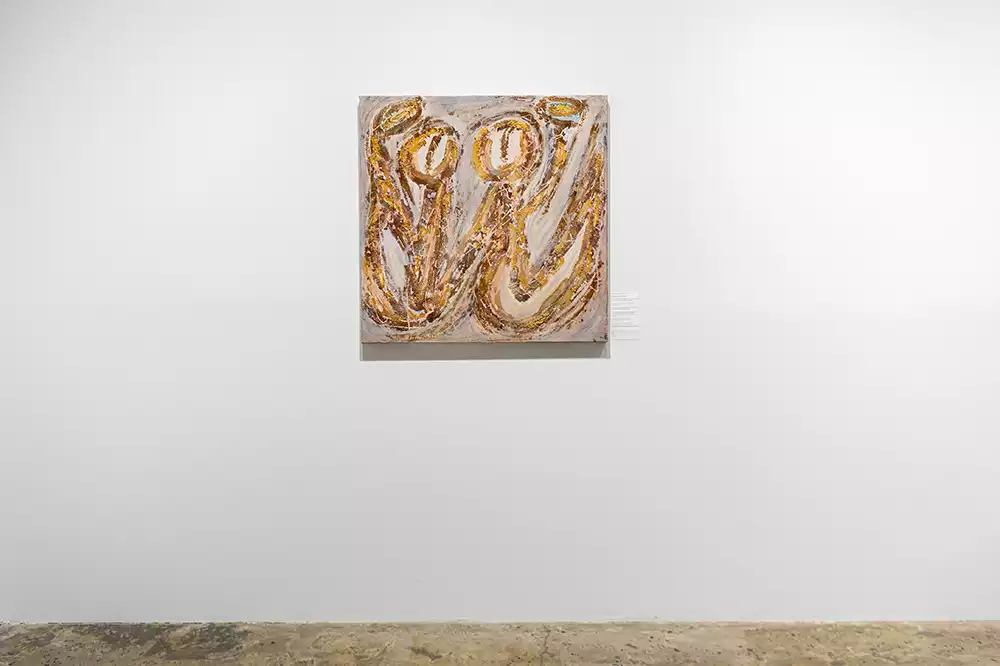
Yes. The materials I use are alive, and I treat them as collaborators. I often work with coffee, wine, minerals, and earth pigments I collect or blend myself. I also incorporate a range of pigments—both self-made and ready-made—mixing them with elements like red wine, coffee, egg yolk in the traditional tempera style, or oil. These substances carry memory—of soil, of time, of place—and I let them speak. There’s a science to the layering, but also a kind of alchemy. Each material is chosen not just for its color, but for the energy and symbolism it brings to the work.
Your statement mentions numbers as sacred language. Can you share more about this?
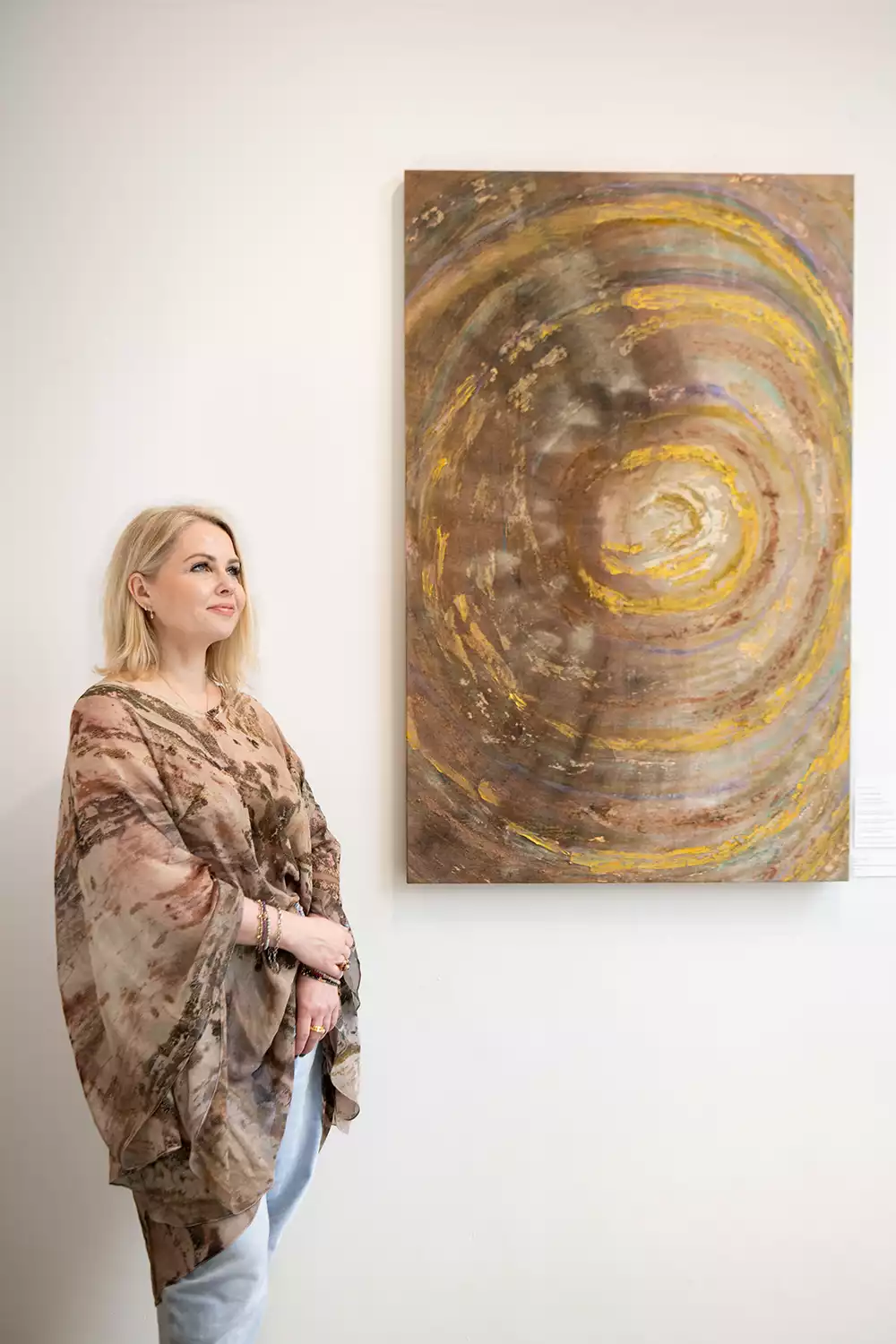
Numbers are more than measurements—they are memory, structure, and vibration. I see them not merely as tools to quantify, but as frequencies that shape reality. Binary code, spirals, primes—they all appear in my work, sometimes hidden in the layers, sometimes subtly embedded in the composition. For me, numbers are like a forgotten alphabet that once bridged spirit and matter. They hold the logic of the invisible.
How has living in Minneapolis shaped your creative practice?
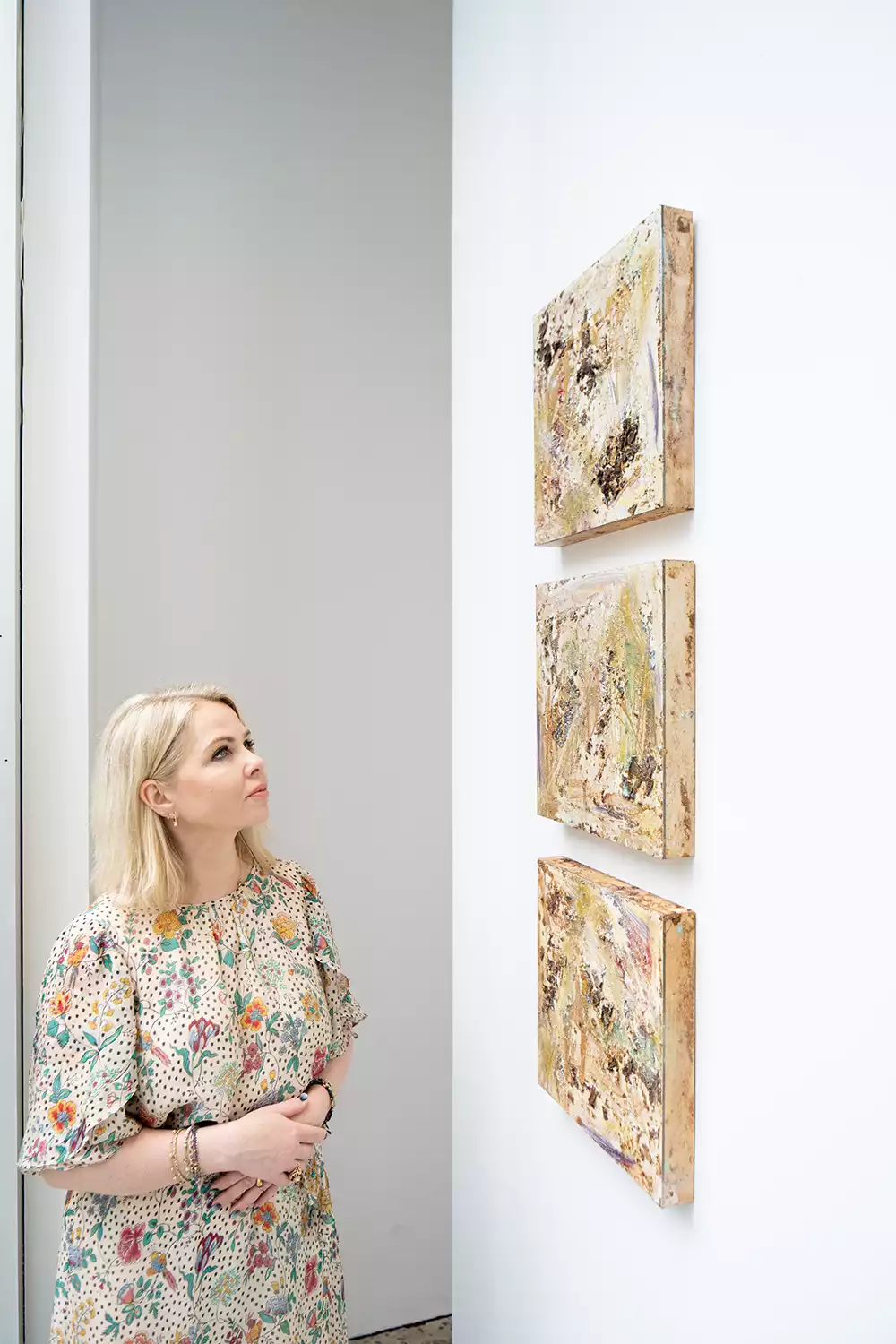
Minneapolis has offered me contrast—between stillness and storm, structure and wildness. The city’s seasons have deepened my cyclical approach to creation. The long winters invite introspection and incubation; the lush summers pulse with outward movement.
The rawness of nature—especially the abundance of lakes and waterfalls—brings an elemental presence that calls for spiritual depth. Water here speaks to the unconscious, to the in-between. I think the land holds stories of both pain and resilience—and as an immigrant artist, I’ve learned to root myself in that complexity.
What kind of conversations do you hope your work opens up for viewers?
The kind that begins in the body—before the mind rushes to label. I want people to pause, to feel something stir that doesn’t yet have words. My work isn’t about explanation—it’s an invitation. A return. A memory that lives beneath the noise of culture. I hope it opens the door to questions like: What have I forgotten that the Earth still remembers? What truth lives in the spaces I’ve ignored? And most of all—What would it mean to live as if presence itself were sacred?
In Kasia Muzyka’s hands, painting becomes an act of devotion—a conversation between the seen and unseen, body and earth, time and timelessness. Her works are portals, carrying the quiet charge of ritual, the geometry of the cosmos, and the memory of soil and water. They invite us to slow down, breathe, and listen. In a world that moves too quickly, her art reminds us: presence itself may be the rarest luxury of all.
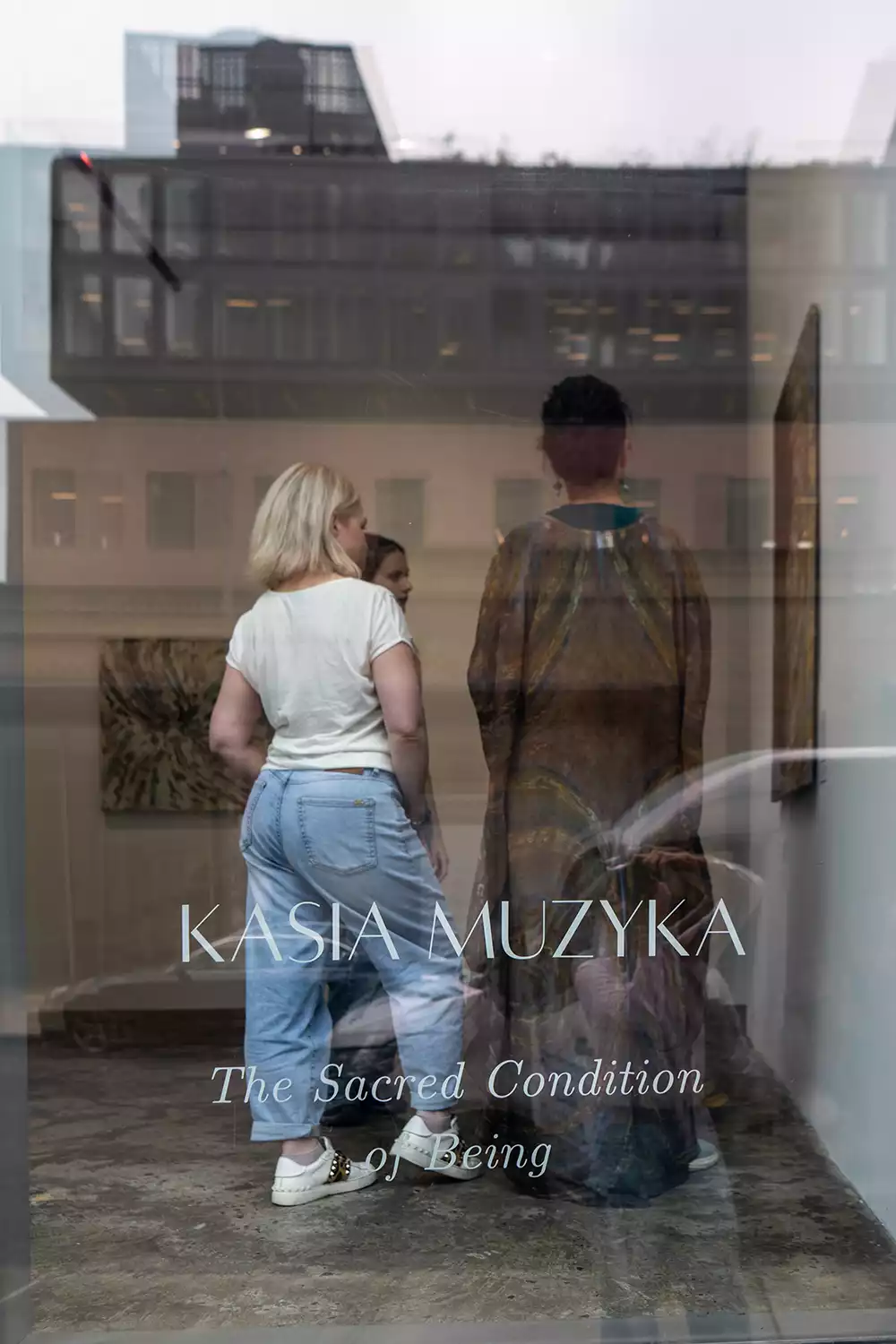
Images Courtesy of Kasia Muzyka