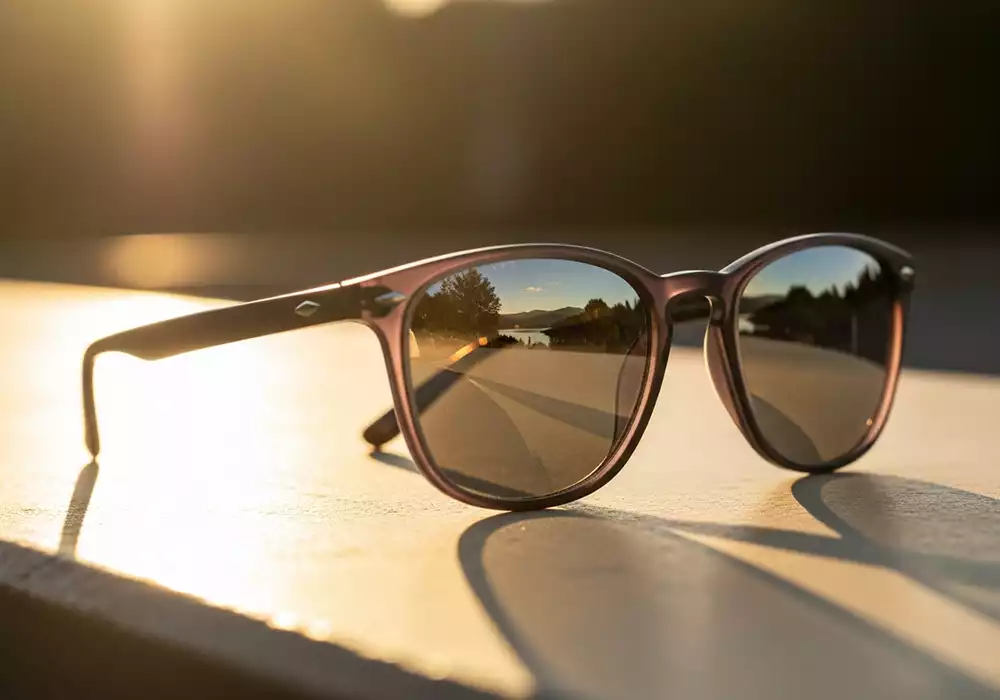
Sunglasses occupy a rare space in the world of accessories — they pull double duty as a genuine health tool and an everyday style statement, yet most people pick them almost entirely on gut feeling. It’s common to start by gravitating toward classic, recognizable silhouettes, like the aviators and wayfarers found among ray-ban sunglasses and similar heritage styles, only to discover later that the right pair also hinges on UV protection, fit and comfort, and how well it suits your actual daily routine. If you’ve ever ended the day with red marks on your nose, a tension headache from squinting through glare, or lenses that scratched after a single week, this guide is here to help you make a more informed — and more lasting — choice.
Why Sunglasses Matter for Eye Health
At their core, sunglasses exist to shield your eyes from ultraviolet radiation. Both UV-A and UV-B rays can contribute to serious conditions over time, including cataracts, photokeratitis (essentially a sunburn of the cornea), and cumulative retinal damage. There’s also a widely misunderstood risk worth knowing: dark-tinted lenses without UV filtering can actually be more harmful than wearing no sunglasses at all. The reason is straightforward — the pupils dilate behind a dark lens, and if that lens doesn’t block UV light, more of it reaches the eye unimpeded.
Always look for lenses labeled 100% UV protection or UV400, meaning they block all light wavelengths up to 400 nanometers. Lens darkness or color alone tells you nothing about UV performance. When in doubt, an optician can verify protection levels directly.
Polarized lenses address a separate but related problem: glare. By filtering horizontally reflected light from roads, water, and snow, they reduce eye strain considerably. They’re especially valuable for driving and outdoor activities, though it’s worth noting they can occasionally make certain digital displays harder to read.
Key Takeaway: UV400 labeling should be your first checkpoint. Polarization adds real comfort and clarity, but it is not a substitute for UV protection.
Matching Sunglasses to Your Face Shape
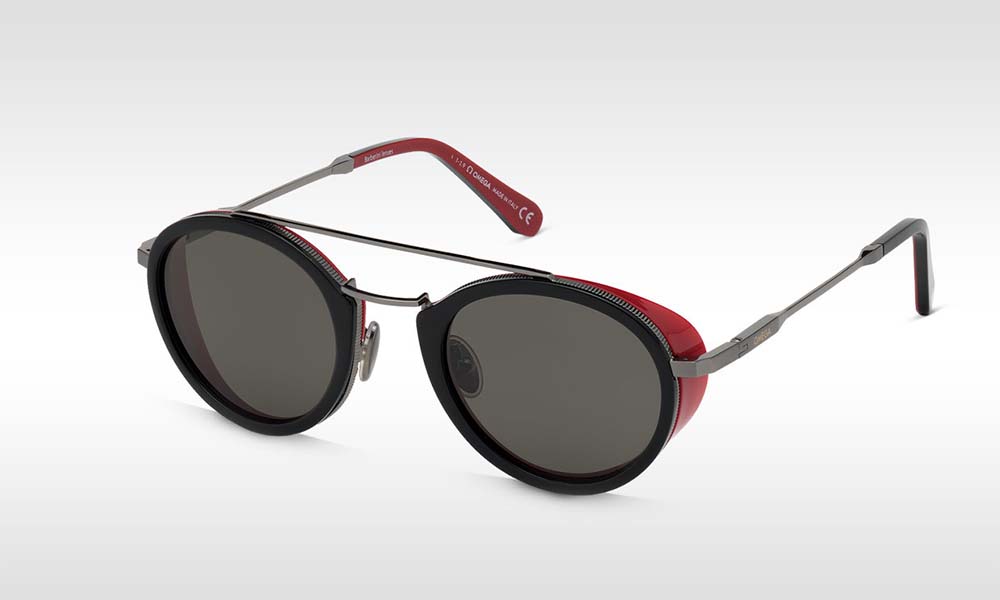
Frame shape interacts with facial proportions in ways that affect how balanced and natural the overall look feels. These are useful guidelines rather than hard rules — personal comfort always takes precedence.
- Round faces tend to benefit from angular or rectangular frames that introduce a bit of structure.
- Oval faces have naturally balanced proportions and suit most frame styles, as long as the width stays proportional.
- Square faces, defined by a strong jawline and broad forehead, are often complemented by softer, rounded frames.
- Heart-shaped faces (wider at the forehead, narrower at the chin) work well with frames that are slightly wider at the bottom, or with rimless designs.
- Oblong faces can benefit from taller frames or wider wayfarer-style shapes that add the appearance of width.
One practical trick before you shop: stand in front of a mirror and trace the outline of your face with a washable marker to get a clearer sense of your shape.
Comfort, Fit, and Lens Options
A well-fitting frame should sit evenly across the face without pinching the nose bridge or pressing into the temples. Frequent sliding, pressure marks after short wear, or lenses that brush against your eyelashes are all signs the fit isn’t right. Many opticians will adjust temple curves and nose pads even on non-prescription sunglasses — it’s worth asking.
For lens materials, polycarbonate is lightweight and impact-resistant, making it a strong choice for sports and active use. CR-39 plastic offers excellent optical clarity at a lighter weight than glass. As for tint, gray lenses preserve natural color perception and work well for general everyday use, while brown and amber tints enhance contrast in variable light — a reason they’re popular for driving.
Matching Sunglasses to Your Lifestyle
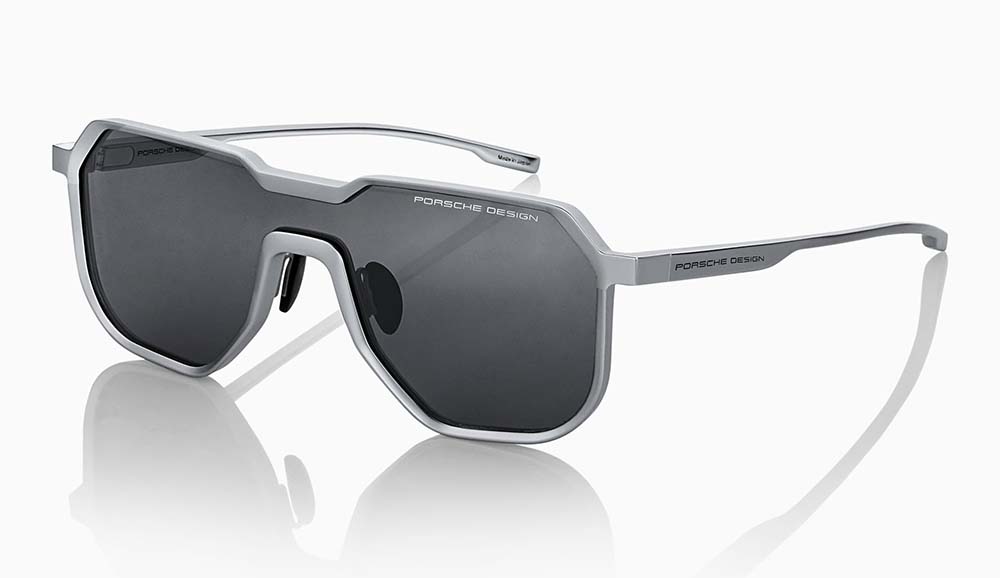
For everyday urban wear, the priorities are reliable UV protection and a versatile frame that stays comfortable across long hours. For driving, polarized lenses do a lot of the heavy lifting by cutting road glare, though be aware they can occasionally interfere with certain LCD dashboard displays, our picks for the best driving sunglasses go into more detail on what to look for.. For active outdoor use — running, cycling, water sports — look for lightweight wraparound frames, impact-resistant lenses, and grippy nose pads that stay put during movement.
Anyone with specific eye conditions or a history of eye surgery should consult an eye care professional before selecting lenses independently.
Caring for Your Sunglasses
Always rinse lenses with clean water before wiping them down — this dislodges any grit that could scratch the surface. Use a microfiber cloth rather than clothing or paper towels. Store sunglasses in a hard case when they’re not on your face, and avoid leaving them on a hot car dashboard, which can warp frames and degrade lens coatings over time.
Making an Informed Choice
Choosing sunglasses well ultimately comes down to three fundamentals: genuine eye protection, a fit that holds comfortably throughout the day, and a design that suits how you actually live. Brand names and seasonal trends are secondary to all of that.
The best sunglasses are the ones that protect your eyes, fit without fuss, and work for your life — regardless of the logo on the temple.
Use this guide as a practical checklist the next time you try on a pair, and consider speaking with an eye care professional if you have specific vision needs or any underlying medical concerns.